Everything About Sugar Canes: What Are Sugar Canes Made Use Of For and Their Function in Global Farming?
Sugar walking sticks act as a foundation of global agriculture, largely recognized for their function in sugar production. They likewise add to the creation of spin-offs like molasses and ethanol. These facets not only support different sectors however also effect financial security in country regions. Nonetheless, the cultivation of sugar walking canes faces substantial environmental difficulties. Understanding their diverse duty prompts additional expedition right into their farming practices and sustainability initiatives.
The Agricultural Refine of Sugar Walking Cane Farming
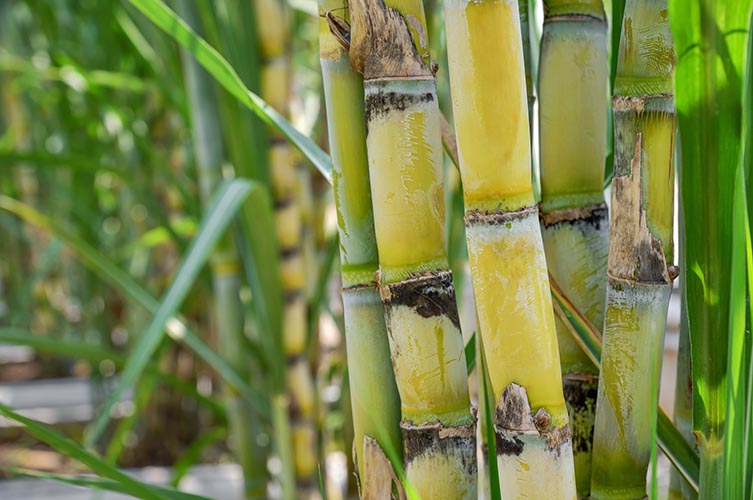
Sugar walking cane cultivation may differ by area, the essential farming process remains regular. The very first action includes picking high-yielding varieties appropriate for local climates. Prep work of the soil is important, frequently calling for husbandry and the addition of plant foods to boost fertility. Growing typically occurs during the wet season, with farmers utilizing either entire stalks or cuttings to establish new crops.As the plants grow, they need thorough treatment, including weed control, pest management, and irrigation, depending upon the environmental conditions. Farmers keep track of the sugar walking stick's growth cycle, which generally covers 10 to 24 months, prior to collecting. Collecting is labor-intensive, often conducted by hand or with specialized equipment, ensuring minimal damage to the stalks. Complying with harvest, the cane is transported to refining facilities. This meticulous farming process not only sustains local economic situations but additionally plays a substantial role in worldwide agricultural techniques, adding to food and energy supplies.
Sugar Manufacturing: From Walking Cane to Crystal
The journey of sugar production starts the moment freshly collected sugar walking stick reaches processing centers. The initial step includes washing and chopping the cane to prepare it for extraction. Utilizing high-pressure rollers, the juice is removed from the crushed walking cane, resulting in a sweet liquid known as sugarcane juice. This juice undertakes information, where pollutants are gotten rid of with the enhancement of lime and heat.Next, the made clear juice is concentrated by steaming it to produce a thick syrup. This syrup is after that taken shape by cooling down, enabling sugar crystals to form. The crystallized sugar is separated from the continuing to be syrup, recognized as molasses, through centrifugation.Finally, the sugar crystals are cleaned and dried out, leading to the acquainted granulated sugar (What Are Sugar Canes Used For). This procedure changes raw sugar walking cane into an item that is important to numerous cooking and industrial applications, highlighting the relevance of sugar in global farming
Biofuels and Sugar Canes: A Lasting Future
As the world progressively looks for lasting power solutions, sugar walking sticks have actually become a promising source for biofuels. The biomass originated from sugar canes can be exchanged ethanol, a sustainable gas choice that substantially reduces greenhouse gas discharges contrasted to nonrenewable fuel sources. This process not only supplies a cleaner energy source but likewise promotes energy self-reliance for several countries.In enhancement, sugar cane growing supports country economic situations by producing tasks in both farming and biofuel production sectors. Using sugar walking sticks for biofuel manufacturing also encourages agricultural diversification, which can improve soil health and wellness and lower dependency on solitary plants. The byproducts of sugar cane processing can be made use of for power generation, furthermore contributing to a sustainable power cycle. As countries undertaking to satisfy eco-friendly power targets, sugar walking sticks are positioned to play a crucial role fit a much more sustainable future in the biofuel landscape.
The Function of Sugar Canes in Drink Production
Sugar canes play a significant function in drink manufacturing, acting as a key ingredient in rum and adding to the sweetness of several sodas. In addition, their all-natural juices are utilized in numerous drinks, boosting flavor and allure. This adaptability underscores the value of sugar canes in the international beverage industry.
Sugar Walking Stick in Rum
Rum production is intricately connected to the cultivation of sugar walking cane, an essential plant that offers the necessary fermentable sugars required for fermentation. This process starts with the extraction of juice from gathered sugar canes, which is after that either fermented straight or processed right into molasses. Yeast is contributed to transform the sugars into alcohol, causing a varied variety of rum styles, from light to dark selections. The geographical region where the sugar walking cane is grown substantially influences the flavor profile of the rum, with factors such as soil kind and climate having fun vital duties. Countries like Barbados, Jamaica, and Cuba are renowned for their rum production, showing the social and historic value of sugar cane within the worldwide beverage market.
Soft Drinks Sugar Source
All-natural Juice Manufacturing Makes Use Of
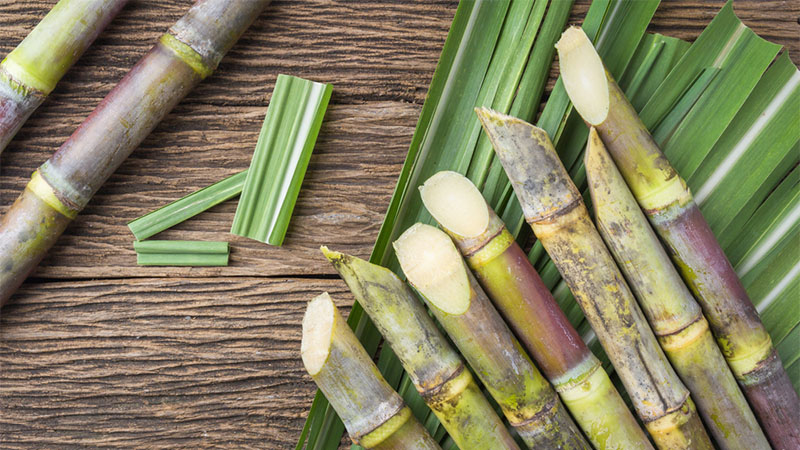
In enhancement to its considerable function in soft drink production, sugar cane is additionally crucial in the natural juice industry. The juice extracted from sugar walking cane, recognized as walking stick juice, is celebrated for its natural sweet taste and unique taste account. This juice is frequently taken in fresh in different regions, specifically in exotic countries, where it is enjoyed as a renewing beverage. Additionally, walking cane juice serves as a base ingredient in an array of natural fruit juices and smoothies, enhancing both preference and nutritional worth. Its natural homes make it an appealing alternative to sweetening agents, interesting health-conscious customers. Overall, sugar walking cane's flexibility browse around this site in juice manufacturing highlights its relevance in modern drink offerings worldwide.
Developments in Sugar Walking Cane Byproducts
Technologies in sugar walking stick byproducts are paving the means for sustainable options in various markets. Biofuels stemmed from sugar cane use an alternative energy source, while improvements in lasting packaging are minimizing dependence on conventional materials. These advancements highlight the versatility and capacity of sugar walking stick past its key usage in beverage production.
Biofuels From Sugar Walking Cane
Just how can the results of sugar cane contribute to lasting power remedies? The conversion of sugar cane right into biofuels offers a promising method for renewable energy. By using the coarse deposit, understood as bagasse, manufacturers can generate bioethanol through fermentation processes. This bioethanol can serve as a lasting option to nonrenewable fuel sources, decreasing greenhouse gas discharges and reliance on non-renewable resources. Furthermore, molasses, one more result, can be fermented to create biofuels, making best use of resource efficiency. The power created from sugar cane not only supplies a cleaner gas resource but also boosts the total financial stability of sugar manufacturing. By incorporating biofuel production into their operations, sugar walking stick sectors can play an important function ahead of time lasting energy services worldwide.
Lasting Product Packaging Solutions
Sustainable packaging solutions are significantly being established from sugar walking stick results, Get More Info showcasing the versatility of this farming staple. Developments such as naturally degradable plastics originated from bagasse, the coarse deposit left after juice extraction, are gaining grip. These materials offer an environment-friendly alternative to traditional plastics, lowering reliance on nonrenewable fuel sources and decreasing carbon footprints. In addition, sugar cane-based product packaging is compostable, breaking down normally without harming the setting. Business are currently exploring these options to straighten with consumer need for sustainability. As understanding of plastic air pollution grows, the fostering of sugar cane-derived packaging is anticipated to rise, placing sugar canes as a crucial player in the change to greener product packaging services in numerous sectors.
Economic Effect of Sugar Walking Stick Farming

Sugar walking stick farming has deep origins in several economies, its economic effect expands far beyond farming manufacturing. This plant acts as a substantial source of earnings for countless farmers worldwide, specifically in creating countries where farming is a primary income. Sugar walking stick adds to regional economic situations via job creation in handling, growing, and harvesting. The sector likewise boosts development in related markets such as transport, devices manufacturing, and food processing.Furthermore, sugar walking stick is a principal in worldwide trade, affecting worldwide markets and prices. Nations that create sugar walking cane commonly depend on exports to improve their financial stability. The byproducts of sugar walking cane, such as ethanol and molasses, branch out revenue streams for farmers and add worth to the farming field. Overall, the financial implications of sugar walking stick farming are profound, impacting not just farmers however likewise entire communities and nationwide economies.
Environmental Considerations in Sugar Cane Growing
While sugar cane farming plays an essential function in many economic climates, it also increases substantial environmental problems that can not be neglected. The considerable usage of plant foods and pesticides in sugar walking stick cultivation commonly results in dirt destruction and water pollution. Overflow from these chemicals can contaminate close-by water bodies, damaging aquatic ecosystems. Furthermore, the monoculture methods widespread in sugar cane farming minimize biodiversity, making environments extra susceptible to parasites and diseases.Deforestation is another important issue, as land is commonly cleared to make way for sugar vineyards, leading to environment loss for wildlife and boosted carbon exhausts. The high water consumption required for sugar walking cane watering can stress neighborhood water sources, specifically in dry regions. As global demand for sugar remains to increase, attending to these environmental obstacles becomes important to ensure sustainable practices in sugar walking stick cultivation.
Frequently Asked Questions
What Are the Nutritional Advantages of Sugar Walking Stick?
The dietary benefits of sugar walking stick mainly include its high carbohydrate material, offering energy. In addition, it contains vitamins, minerals, and anti-oxidants that may sustain total health, though moderation is useful reference crucial as a result of its sugar material.
How Does Sugar Cane Affect Citizen Ecosystems?
Sugar walking stick farming can greatly influence regional environments by changing land use, affecting biodiversity, and calling for considerable water resources. Additionally, it may bring about dirt destruction and chemical runoff, interrupting bordering environments and wild animals populations.
What Is the Background of Sugar Cane Farming?
Are There Alternatives to Sugar Walking Cane for Sugar Manufacturing?
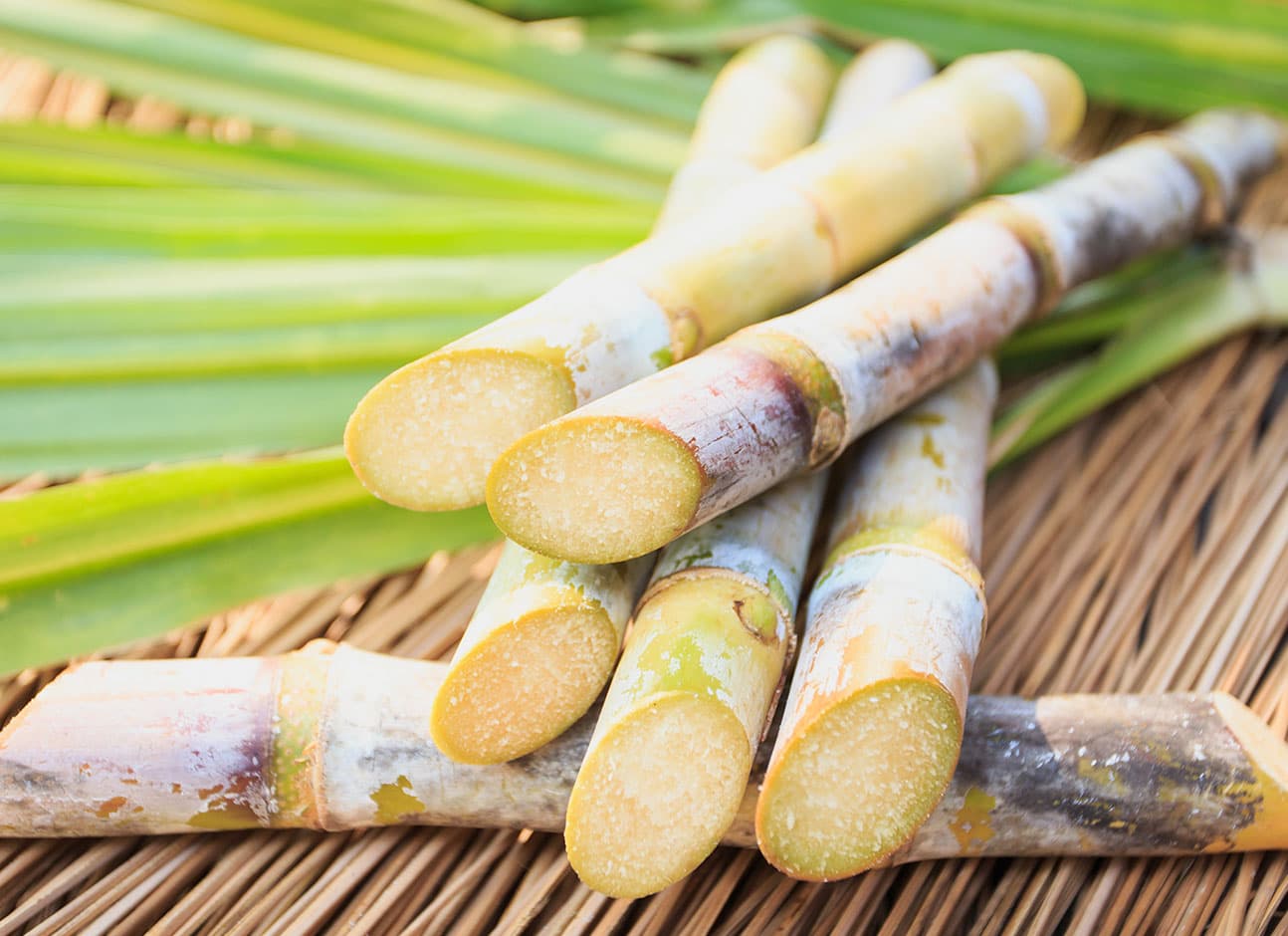
Alternatives to sugar cane for sugar production include sugar beetroots, corn, and various exotic plants like sorghum and agave (What Are Sugar Canes Used For). These crops supply diverse resources of sweetness, each with distinctive cultivation demands and environmental influences
How Do Climate Patterns Influence Sugar Cane Returns?
Weather patterns substantially influence sugar walking cane returns through temperature level fluctuations, rains amounts, and seasonal cycles. Drought or excessive rains can prevent development, while suitable problems improve photosynthesis, ultimately impacting the amount and high quality of the harvest. The journey of sugar production starts the minute fresh harvested sugar walking stick shows up at refining facilities. The crystallized sugar is separated from the continuing to be syrup, known as molasses, via centrifugation.Finally, the sugar crystals are washed and dried out, resulting in the familiar granulated sugar. Rum production is delicately connected to the cultivation of sugar walking stick, an essential crop that supplies the required fermentable sugars required for fermentation. Additionally, the monoculture methods widespread in sugar walking stick farming decrease biodiversity, making ecosystems a lot more at risk to pests and diseases.Deforestation is an additional crucial problem, as land is usually cleared to make way for sugar plantations, leading to habitat loss for wildlife and raised carbon exhausts. Alternatives to sugar cane for sugar manufacturing consist of sugar beets, corn, and various tropical plants like sorghum and agave.
Comments on “What Are Sugar Canes Used For in the Philippines? Local Insights and Benefits”